
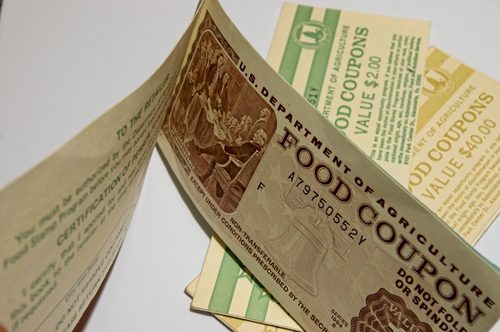
The Biden administration is seeking to expand food stamp benefits despite a study showing that it is linked to the massive rise in grocery prices.
According to the Foundation for Government Accountability, overall spending on the Supplemental Assistance Nutrition Program (SNAP) more than doubled between 2019 and 2022, going from $4.5 billion in 2019 to $11 billion in 2022.
“Put another way: Food prices increase by one percent for every 12.5 percent increase in food stamp spending,” the study read.
This comes after President Joe Biden’s Department of Agriculture nutritional standards for federal food benefits in 2021, which expanded SNAP by around 25 percent before the pandemic.
The study then argued that the increased spending on food stamps contributed to the recent price hikes Americans are facing during the economic downturn.
“USDA cooked their books to hike food stamp benefits by 27% — the largest permanent increase in program history. And they bypassed Congress to do it,” said Jonathan Ingram, Vice President of Policy and Research at the Foundation for Government Accountability.
“Data show the Biden administration’s overreach led to massive spikes in grocery prices. They’re feeding inflation, not stopping hunger,” Ingram said, adding that the World Bank “found that a one percent increase in per-capita food stamp benefits increased grocery store prices by 0.08 percent.”
The Agriculture Department has also estimated that food prices on average will continue to increase by 5.8 percent over the rest of the year, but at a slower pace compared to 2022.
Food stamp spending is likely to take center stage in the anticipated future battle in Congress over reauthorizing the Farm Bill, which sets a range of spending from food benefits for urban populations to rural broadband.
Republican lawmakers are looking to intervene with SNAP spending, while Democrats are skeptical after working with House Republicans to raise the federal debt limit earlier this year.
“Work is the best pathway out of poverty,” said Republican South Dakota Rep. Dusty Johnson. “Work requirements have proven to be effective, and people who can work should work. With more than 11 million open jobs, there are plenty of opportunities for SNAP recipients to escape poverty and build a better life.”
