
With the Israel-Palestine war still happening, councils have recently been in discussion with one another on a potential resolution to the war. However, there hasn’t been a finalized resolution yet because of the language that was used in the official draft.
Originally, the first draft consisted of words that said “urgent and sustainable cessation of hostilities” which essentially means calling off the war or coming to another cease-fire, but the most recent draft does not include this. Instead, it reads, “urgent steps to immediately allow safe and unhindered humanitarian access, and also for creating the conditions for a sustainable cessation of hostilities”.
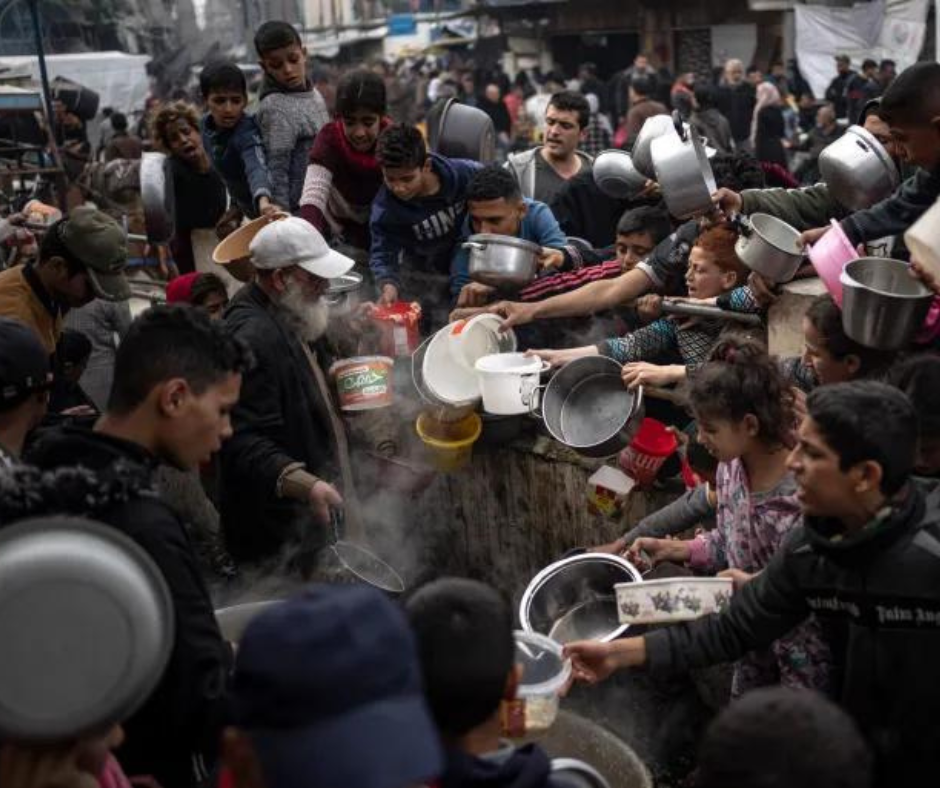
Because of the change in language, many said they would have to consult with their capitals before voting. UN agencies explained the seriousness of moving forward by stating that the entire population of Gaza is at “imminent risk of famine.”
The latest draft doesn’t necessarily call for an end to the war or the fighting, which is what some people were counting on, but others are willing to take what they can get.
Despite the changes in the agreement and the postponements that have happened, the United States says they will back the agreement despite the language change. A US ambassador said that the draft given would be supported and that it was very strong.
“Any resolution that could make a meaningful difference in terms of the situation on the ground in the Gaza Strip is certain to be vetoed by the United States,” said a Middle East analyst, Mouin Rabbani.
Other problems with this latest draft include the lack of protection for citizens, monitoring of aid being given to Gaza, and, of course, the end of the war itself. Many feel that any help without the agreement of a cease-fire and end of war would be pointless.
“In effect, the US is voting for the continuation of the siege, for the continuation of the mass killings in the Gaza Strip. And most importantly, the idea of humanitarian assistance without a ceasefire is absolutely meaningless and illusory,” Rabbani told Al Jazeera.
The US discussed this agreement in private, with Egypt as the mediator, and backed it despite the language changes that caused issues. A new resolution or agreement is awaiting votes.
