
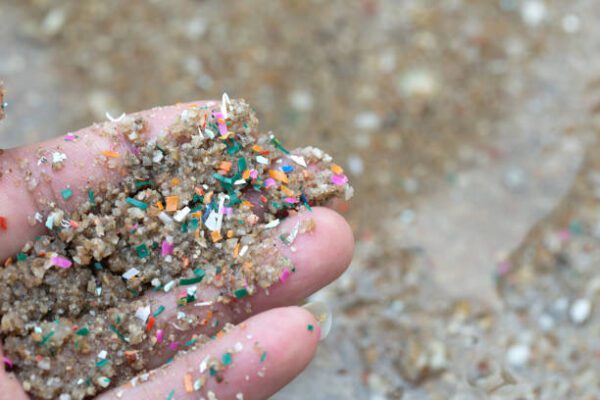
Some research was done on female placentas and found microplastics in all of them. Researchers were worried about what this would mean.
Scientists looked at 62 different human placentas and found microplastics in all of them. Polyethylene, which is found in bottles and plastic bags, was the most common type of microplastic found. Microplastics were found in all 17 arteries that were tested in a different study that looked into similar problems. This means that microplastics might sometimes be the reason why arteries and blood vessels get clogged.
Small pieces of plastic called microplastics have been found in breast milk and blood, but not much is known about how they affect health. Microplastics can also hurt cells, which they found when they tested how they can affect the body in the lab.
Microplastics can be found all over the world. They were made when people threw trash into the environment, where it broke down and was finally picked up by water, soil, or animals. Microplastics can get into the body in a number of ways, including through food or drink and through breathing in the air.
Matthew Campen, a professor at the University of New Mexico in the US, said, “If placentas are affected, then all mammal life on Earth could be affected.” “That is not good.”
Campen says that this is very bad for people’s health and that the amount of microplastics in our bodies may be the reason why some diseases, like colon cancer and bowel diseases, are becoming more common. People with Inflammatory Bowel Disease had more microplastics in their poop, according to a study done in 2021.
Microplastics were first found in the placentas of four healthy women in Italy in 2020. Their pregnancies were normal. “Endocrine disruptors” are chemicals that microplastics carry with them that could have long-term effects on human health, according to the scientist who found this in 2020.
Scientists are very worried about this because they compared how much microplastic is in a placenta, which is only in your body for eight months, to how much microplastic might be in our sitting organs, which have had time to gather a lot of it.
