
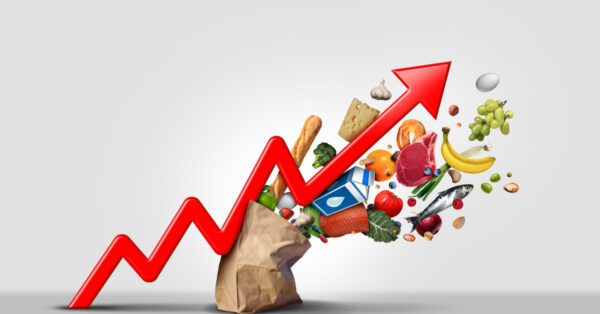
The inflation this January hits a fresh 40-year high with its 7.5% surge as customer demand as well as the pandemic-related issues affecting the supply chains make way for price increase of basic commodities in the market.
From gasoline, health care, groceries, and even rents–the price gain for these necessities rose up to 0.6% from just a month after December 2021. The overall inflation increase in January marks the fastest increase since February 1982 when the inflation hit 7.6%.
BREAKING: Inflation accelerates 7.5% in January, hitting a fresh 40-year highhttps://t.co/F9Tdh5SMIK
— Fox News (@FoxNews) February 10, 2022
“U.S. annual CPI is the highest since 1982, and what’s worse is that this likely isn’t the peak,” “Higher-than-expected monthly gains in core CPI indicate continued underlying heat and will do nothing to relieve pressure on the Fed to tighten sharply and urgently,” according to Principal Global Investors chief strategist Seema Shah in a statement.
The inflation increase has rendered the American’s wages far from the gains that the workers have been seeing in recent months. Average working hour wages just rose 0.1% in January compared to the 0.6% inflation increase of basic goods and necessities which equally matched up with the 0.7% total wage gain within the previous month, according to a recent Labor Department report.
The basic goods and necessities such as gasoline have risen up to 40% in price compared to last year. Same goes for food prices which surged 7% higher as well as shelter and rent costs that increased by 4% compared to last year. The most price increase goes with used car and truck prices which are up to 40.5% since last year.
The spike of the inflation rate taints the reputation of the Biden administration and has created a negative approval rating due to the consumer price increase. The White House attributed the price increase to the supply-chain problems and pandemic-related issues that disrupted the economy.
However, Republicans blamed the administration’s massive spending agenda as well as the newly implemented energy policies that targets the oil and gas industries, one of the main industries that affected the inflation.
