
When nuclear power is used to generate large volumes of clean electricity, it reduces pollution and improves the environment. Stakeholders may find the process of building a nuclear power plant frustrating. As a result, conventional reactor designs are considered multi-billion dollar infrastructure undertakings. Public interest has been hindered by high capital expenditures, licensing and regulatory approvals, extended lead times, and building delays.
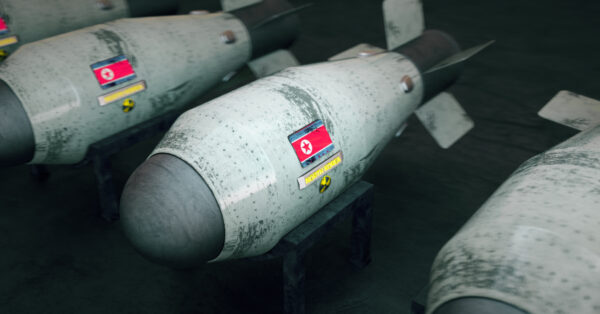
According to recent satellite pictures obtained by CNN, North Korea appears to have begun construction of a long-dormant nuclear reactor that, if finished, would “dramatically expand” the country’s capacity to produce plutonium for atomic bombs.
According to Middlebury Institute of International Studies specialists, who evaluated the satellite photographs, North Korea has begun construction on the second core reactor at its Yongbyon nuclear site “after years of idleness.”
This judgment aligns with Kim Jong Un’s stated pledge to push North Korea’s nuclear program last week.
About ten times as massive as the old Yongbyon reactor, which has been operational since the late 1980s, is Yongbyon’s new reactor.
According to Jeffrey Lewis, a weapons specialist, and professor at the Middlebury Institute, North Korea may potentially expand its plutonium production for nuclear weapons “by 10” once the second Yongbyon reactor operates.
Lt. Col. Martin Meiners, a Pentagon spokesman, declined to say if North Korea had solidified plans to significantly upgrade its Yongbyon reactor cores despite the apparent resumption of construction.
As Meiners said, “we’ve been very explicit about the threat presented by DPRK nuclear and missile programs, our commitment to defend ROK-Japan-U.S. national security, and our shared aim of total denuclearizing the Korean Peninsula.
However, one thing is clear from Lewis’ point of view based on the satellite photographs.
The 50 MW(e) reactor’s secondary cooling loop connects to a riverside pumphouse in North Korea. (In the photograph taken on April 20th, construction equipment and what appear to be pipe segments can be seen.) By the 7th of May, the pipe had been buried in North Korea.
In recent years, there have been additional actions at the 50MW(e) reactor, such as the dismantling of a structure last year that was previously assumed to have been a cooling pond for spent fuel,” Lewis added.
The nuclear sector is finding it challenging to stay competitive in challenging market conditions. In light of the ongoing conflict and global energy shortages, I believe that North Korea has no other option than to continue developing the reactor. The dangers of nuclear power to humans are terrible enough but would create benefits entirely to peaceful foals.
