
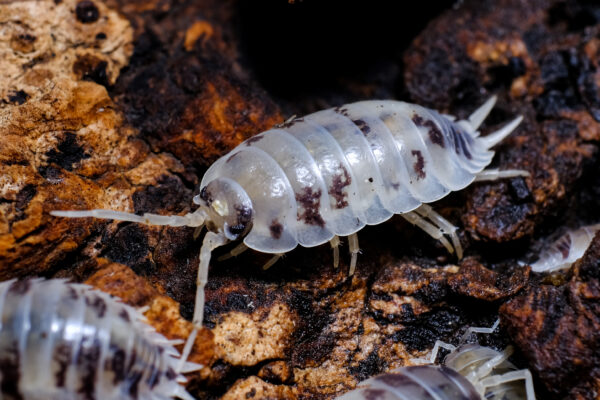
Scientists warn that swarms of tiny, aggressive sea bugs dubbed “mini-sharks” are terrorizing beachgoers in Southern California, according to reports.
The shrimplike creatures identified as water-line isopods have reportedly been snapping at the ankles of locals promenading along the shoreline, leaving people hopping around in pain.
Scientifically called Excirolana chiltoni, it grows to be around 0.3 inches long and can form swarms of more than 1,000 individuals. The biting bugs can even draw blood from the sandy feet of their human victims.
This comes after reports of biting incidents occurred on beaches near San Diego last month. Tara Sauvage, a local resident, described the bites as “painful” and “surprising.”
“I had blood all over my foot and in between my toes,” Sauvage said. “It was like small piranhas had bit me.”
Water-line isopods are found year-round along the California coastline and on beaches in the Pacific Northwest regions of the U.S. and Canada. Scientists say the little nippers have a painful bite but are not a major cause for concern.
“They can be pretty nasty when they get going,” Richard Brusca, an invertebrate zoologist at the University of Arizona and a former curator of crustaceans at the San Diego Natural History Museum, told the Los Angeles Times. “They’re like mini-sharks” that can attack you “like a wolf pack” but with a bite comparable to that of a mosquito, he added.
In contrast, great white sharks have reportedly been lurking in the waters near Cape Cod after a sighting closed a beach in the area last July.
“Just know that large sharks are here,” said Megan Winton, a researcher for the Atlantic White Shark Conservancy. “They’re a constant presence from June to the fall.”
According to the Atlantic White Shark Conservancy, there have been at least 11 shark sightings in the region over the past few months. The data was gathered through the organization’s Sharktivity app, which tracks confirmed and unconfirmed sightings.
The man-eaters begin migrating to the coast of Massachusetts as the weather warms — and often swim near coastlines that drop off dramatically into deep waters, biologists said.
“Sharks will come close to the shore when they have water depth,” said Greg Skomal, a marine biologist who studies great whites in Massachusetts, adding that great whites tend to flock to the section of Cape Cod that faces the Atlantic Ocean to feast on seals.
