
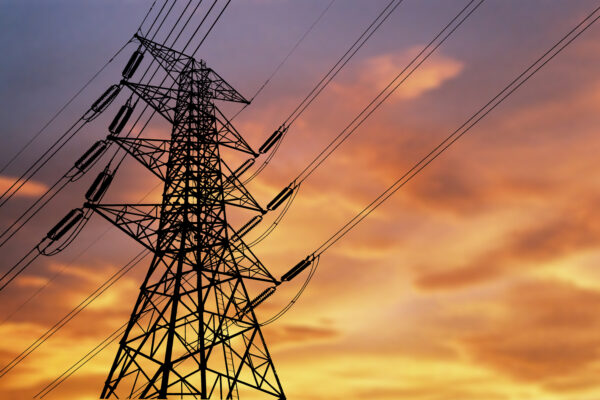
This power grid disaster could leave America in the dark.
Every day, Americans turn on the lights in their homes or offices. Refrigerators keep food fresh or frozen, and water heaters make hot showers possible. Yet every day, the electrical grid that powers these devices and more could crash and leave the country in obscurity.
The US power grid is considered to be one of the most vulnerable in the world. It has a significant risk of state-sponsored attacks from China, Iran, and Russia. In contrast, not a good thing; US climate change energy policies could also cripple energy supplies. One major culprit could be electric vehicles, as some states begin to phase out the legal sale of gasoline-powered cars and trucks.
Is the power grid likely to leave Americans in the dark?
According to the US Energy Information Administration (EIA), the nation’s power grid is a complex network that includes more than 7,300 power plants, approximately 160,000 miles of high-voltage power lines, millions of miles of low-voltage power lines and transformers, and connects 145 million customers. The grid is made up of three regions: East, West, and ERCOT (Texas Independent System). Although they can be disconnected from each other, if one fails, tens of millions of people would be left without power for a potentially long time.
Since 2016, the system has undergone numerous hacking attempts. In 2018, the Department of Homeland Security (DHS) claimed that Russian hackers had access to the control rooms of electrical utility companies. They used common means, such as phishing emails, to gain access to networks. They often collect data on how companies manage the network system with the goal of learning “how to take the normal and make it abnormal.” Some officials said the utilities might not even know they have been compromised.
But subversive actions aren’t the only threat to our electricity. Electric vehicles are likely to become a threat to the energy distribution system.
For the past 18 months, President Joe Biden and Congressional Democrats have made a strong move to push electric vehicles (EVs). On August 5, 2021, the White House released a fact sheet setting the goal of 50% electric vehicle sales by 2030. Car and Drive magazine noted that the estimated 2.5 million electric vehicles in use are already causing stress. By 2025, there could be more than 20 million on the road.
According to the US Department of Energy, a single nuclear power plant producer generates about one gigawatt of energy per year. The United States has 54 power plants, which means there won’t be enough load to handle current power, plus 20 million battery-powered vehicles.
Dr. Massoud Amin, a professor of electrical and computer engineering (ECE) at the University of Minnesota, told Smithsonian Magazine that energy “supports our economy, our quality of life, our society” and how the system power distribution network could fail in America if it collapses.
