
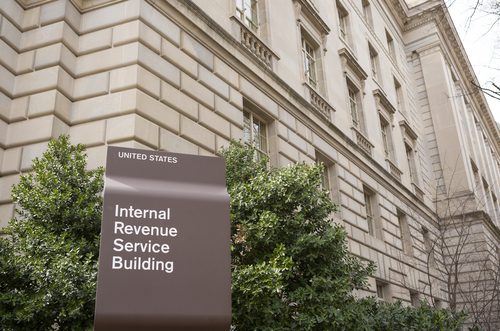
The Internal Revenue Service (IRS) admitted on Thursday that it mistakenly released the private data of over 112,000 taxpayers in September and November.
“An internal programming error caused the September release of private forms along with the ones filed by nonprofit groups, the letter said. This time, the contractor tasked with managing the database reuploaded the older file with the original data instead of a new file that filtered out the forms that needed to be kept private,” Bloomberg reported.
SCOOP: Confidential data of about 112,000 taxpayers inadvertently published by the IRS over the summer was mistakenly republished in late November and remained online until early December, the IRS disclosed Thursday.
— Chris Cioffi (@ReporterCioffi) December 15, 2022
https://t.co/66fJI7Ufia
The data, which was the same as what was unintentionally leaked the first time, did not include credit-sensitive information like Social Security numbers. Some forms did include names or contact information for businesses that ought to have remained private. Contacting those affected by the leak is being done by the IRS.
According to a source familiar with the situation, the agency is reevaluating its partnership with Accenture on this initiative.
“The IRS is continuing to review the situation to identify opportunities to establish additional controls and strengthen existing controls to protect taxpayer information,” said Treasury spokesperson John Rizzo.
This comes as Republican lawmakers have warned the IRS over its handling of millions of taxpayer filings during the first few months of the Biden administration.
Ways and Means Ranking Member Kevin Brady of Texas and Oversight Subcommittee Ranking Member Tom Rice of South Carolina wrote a letter to the IRS saying that the agency destroyed 30 million paper-filed “information returns,” which must be filed by small businesses and others to inform the IRS of various transactions.
At the time, the agency claimed that “software limitations” hindered their ability to process those returns, which led to their decision to destroy them.
The GOP demanded more information about what happened, but the IRS has so far refused to hand over the decision memorandum that outlined the rationale for destroying the paper files.
“Committee Republicans have repeatedly sought this document and information,” wrote Brady and Rice. “The Administration’s refusal to respond to the Committee, engage in a substantive discussion with staff about the request, and ultimately deny access to the decision memorandum obstructs the Congress’ important role to conduct oversight.”
The IRS told Republicans in May that releasing the decision memo would pose a “significant risk to the agency,” but Republicans have argued that there may be other factors at play.
