
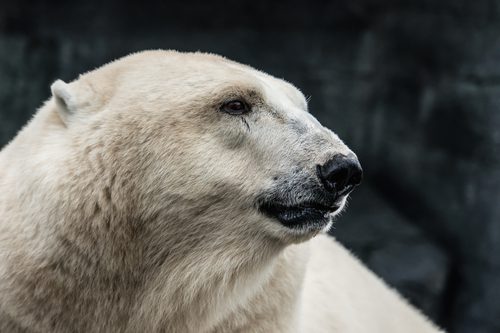
A polar bear that wandered into a remote Alaskan town killed a woman and a boy on Tuesday.
Before the polar bear attacked the woman and child, the huge bear was stalking residents in the remote village of Wales, Alaska, Alaska State Police said.
Shortly after the bear killed the woman and child, a local resident drew his gun and killed the bear.
The Alaska State Police said, “The Soldiers and the Alaska Department of Fish and Game are working to travel to Wales if weather conditions permit.”
The victims of the tragic attack have yet to be identified to the public as relatives of the victims have not yet been informed.
According to the US census, the Welsh town has only 168 residents, and this is the first polar bear attack the town has experienced.
Polar bear attacks are extremely rare.
There were only 74 polar bear attacks between 1869 and 2014, according to The Wildlife Society, and most of the attacks came from captive polar bears.
As reported by The Gateway Pundit in 2011:
After Democrats passed their Cap and Trade junk science legislation in June 2009, a report showing that the number of polar bears, far from declining, was much higher than it was 30 years ago was released and suppressed.
Polar bear kills woman and boy in Alaska village https://t.co/5GC5OAibxe
— BBC News (World) (@BBCWorld) January 18, 2023
The number of polar bears in Canada has increased in 11 of 13 regions in recent years.
The polar bear meetings in North Slope’s oil deposits have increased to record levels in the last two years (starting from 2011). There are five times more polar bears than 50 years ago
In December 2010, the Obama administration admitted that polar bears are not in danger of extinction, but they are a “threatened” species due to the climate change of non-existing global warming.
Despite the fact that bear populations are booming, the Obama administration recently reserved 187,000 square miles in Alaska as a “critical habitat” for polar bears. The action could limit future drilling for oil and gas development.
Now, finally, we find that the scientists who first reported drowned polar bears are under investigation and likely made the story up.
