
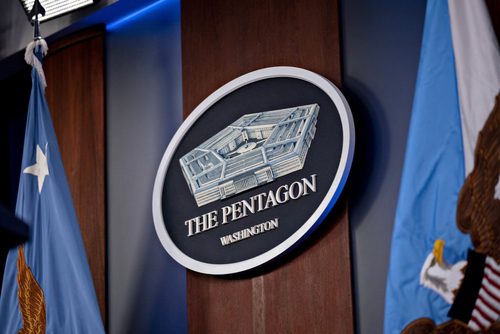
An accounting error by the Pentagon has come to light, allowing billions of dollars to flow into Ukraine without proper approval. The so-called setback, resulting in inconsistencies in the assessment of teams, has raised serious questions about the management of taxpayer funds and the oversight of aid packages. Pentagon spokeswoman Sabrina Singh acknowledged the problem, saying, “During our process of routinely monitoring presidential withdrawal packages, the Department discovered inconsistencies in equipment assessments for Ukraine. In some cases, “replacement cost” was used instead of “net book value,” thereby overstating the value of the equipment retired from U.S. inventory.
This blatant oversight has raised concerns that Ukraine may receive too much aid, which could jeopardize carefully balanced budget allocations. Such discrepancies undermine principles of fiscal responsibility and accountability within the defense establishment, a key concern of the Biden administration.
AP wrote:
The mistake occurred when officials overestimated some of the systems shipped to Ukraine, using the value of money it would have cost to completely replace an item instead of the weapon’s current value. In many of its military aid packages, the Pentagon has chosen to draw on its stockpile of older equipment because it can get those items to Ukraine faster…
[Singh] added that the mistake did not limit US support for Ukraine or hinder the ability to send aid to the battlefield.
A defense official said the Pentagon is still trying to determine exactly how much the total surplus will be. The official, who spoke on condition of anonymity to discuss internal deliberations, said the comptroller had asked the military services to revise all previous aid packages to Ukraine using appropriate cost figures. The result, the official said, will be that the department will have more funding authorities available to use as the Ukrainian offensive approaches. While the Pentagon has assured the public that it maintains a robust program to monitor aid distribution, questions remain about its effectiveness. Concerns continue to swirl around Biden and Zelensky. Earlier this week, the Chief Justice of Ukraine was arrested by Ukrainian prosecutors for participating in a corruption scheme.
The arrest followed corruption within the Supreme Court, with Chief Justice Vsevolod Kniaziev allegedly detained in connection with a $3 million bribe. Ukraine’s fight against corruption is central to its possible EU membership.
According to the Kiel Institute for the World Economy, the Biden administration and the US Congress have allocated more than $75 billion in assistance to Ukraine since the start of the war. This substantial aid includes humanitarian, financial, and military support, which benefits various sectors of Ukrainian society, such as refugees, law enforcement agencies, and independent radio stations. While a significant portion of the aid is tied to the military, several other countries, including NATO members and the EU, are also contributing sizeable aid packages to Ukraine. Given the sensitive nature of some weapon systems, the Pentagon says it exercises extra vigilance during the transportation and delivery process. However, the scale of this accounting error raises questions about the adequacy of its supervisory protocols and calls for a full reassessment. The incident embodies a larger pattern of mismanagement within the federal bureaucracy.
