
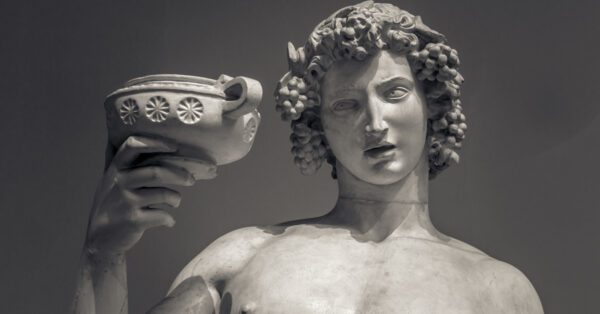
Artwork by renowned painters is likely to fetch millions of dollars at auction, but it’s still remarkable to find one for a pittance as this lady did.
Ancient Roman bust uncovered at Texas Goodwill shop for about $34.99. The art collector bought the antique for the price of a used car.
Art collector Laura Young discovered the marble antique at a Goodwill store in 2018, according to the San Antonio Art Museum (SAMA). According to the Art Newspaper, she paid $34.99 for it. Young did not realize that the sculpture was made in the first century B.C. or AD before King Ludwig owned it of Bavaria a century later.
According to SAMA’s report, her search for the bust’s origins took her across the United States to universities and auction houses, including the University of Texas Austin. In the end, Jörg Deterling, a specialist for Sotheby’s auction house, identified the bust as a Roman artifact.
King Ludwig, I commissioned an architect to create a reproduction of a Pompeii home in Aschaffenburg, Germany, between 1840 and 1848, according to SAMA, which now houses the bust.
Pompejanum, a German town, was heavily bombed by allied bombs during World War II. “After the war, the United States Army erected different military sites in Aschaffenburg, many of which stayed until the end of the Cold War,” according to SAMA. Some American soldier likely transported the piece home to Texas.
Attorney Leila Amineddoleh told the Art Newspaper that she would have faced severe legal consequences if Young had tried to sell the sculpture.
When theft is involved, the transfer of title is not recognized by US law, according to Amineddoleh. “I told Laura not to sell it on the illicit market, either publicly or privately. She may face costly legal fights or perhaps criminal consequences.”
Thanks to the Bavarian Administration of State-Owned Places, Gardens, and Lakes, the art will be on exhibit at SAMA through May of next year.
The Kelso Director at SAMA, Emily Ballew Neff, emphasized the piece’s complex history. He helped Young make contact with German officials through Deterling.
SAMA spoke with Young, who said he had “a few months of incredible joy, but it was bittersweet since I realized I couldn’t retain or sell the (bust).” Either that or he looked fantastic in my house while I had him, and I’m grateful to have had the opportunity to be a tiny part of its long and intricate history.”
SAMA speculates that the bust depicts Pompey, the Great’s son, but it is not known for sure. An exhibition at the museum claims that Julius Caeser defeated Pompey in the Civil War, which took place between 106 and 48 BC.
Nowadays, many people choose to buy at thrift stores since they may often get a great deal. However, I must admit that discovering an antique masterwork is a fantastic find.
